
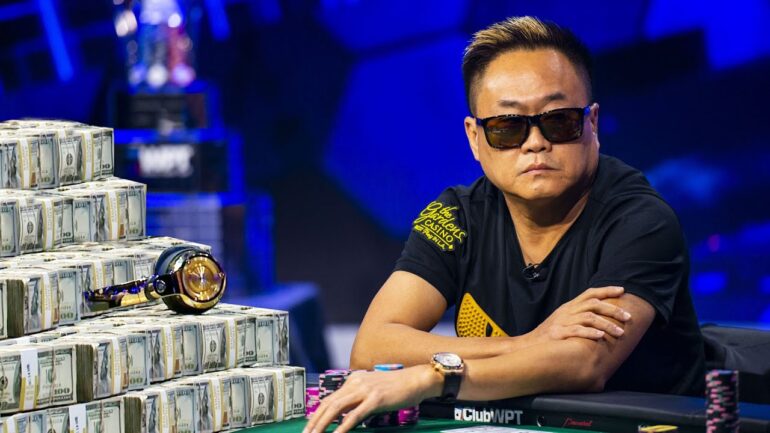
Introduction: The Silent Strength Behind Every Champion
In the world of professional poker, where million-dollar pots and razor-thin margins define careers, technical skill and strategy only take players so far. What truly separates poker champions from the rest isn’t just mathematical precision or game theory mastery—it’s emotional equilibrium. The ability to remain calm in chaos, composed under pressure, and mentally unshaken after crushing losses is the hidden currency of poker greatness. Emotional control is not a byproduct of talent; it’s a learned discipline, a form of psychological armor forged through relentless conditioning.
Understanding Emotional Equilibrium in Poker
Emotional equilibrium refers to the state of psychological balance that allows a player to perform optimally regardless of external conditions. It is the emotional resilience that prevents tilt, curbs impulsive decisions, and sustains rational thought even when the game’s volatility strikes hard. Unlike most competitive environments, poker’s psychological demands are unique: players must handle long periods of uncertainty, deceit, and loss—often while maintaining a calm exterior.
The mind of a poker champion is trained to view emotion as a variable to be managed, not experienced uncontrollably. Maintaining this inner steadiness transforms emotional volatility into a strategic advantage, allowing champions to exploit others’ mental breakdowns.
The Psychology of Tilt and the Cost of Emotional Imbalance
One of the most destructive forces in poker is tilt—the emotional spiral that follows frustration, bad beats, or perceived injustice. Tilt isn’t just anger; it’s a cognitive hijacking that pushes logic aside and replaces it with emotional reactivity. Even the most technically skilled player can lose everything when tilt takes over.
Champions combat this by recognizing tilt as a biological response. They understand that stress activates the amygdala—the brain’s emotional center—which overrides the prefrontal cortex, the region responsible for rational thinking. Through mindfulness, mental rehearsal, and emotional awareness, top players retrain their brains to suppress reactive impulses and restore equilibrium quickly.
Mindfulness: The Core of Mental Conditioning
Mindfulness is the cornerstone of emotional stability in elite poker. By cultivating present-moment awareness, players learn to separate emotion from action. The best players don’t try to suppress feelings of anger, excitement, or anxiety—they observe them without letting them dictate behavior.
Practices such as focused breathing, short meditations between hands, and sensory awareness allow players to recalibrate their mental state in real-time. A single mindful breath can interrupt the cycle of emotional escalation, restoring clarity before the next critical decision.
Over time, mindfulness strengthens the neural pathways associated with self-regulation, turning emotional composure into a reflex rather than an effort.
Cognitive Reframing: Turning Adversity into Advantage
Poker champions excel at reframing adversity. Instead of perceiving losses as personal failures, they view them as statistical variance—a natural outcome in a probabilistic game. This subtle but powerful shift in mindset prevents emotional overreaction and preserves mental energy for strategic thinking.
Cognitive reframing also allows professionals to find opportunity in loss. Every bad beat becomes data. Every misread becomes a lesson. This forward-focused outlook prevents rumination and fosters psychological growth. Emotional equilibrium is built not by avoiding stress but by reinterpreting it as an opportunity for mastery.
The Role of Detachment in Decision-Making
Emotional detachment doesn’t mean indifference—it’s the discipline of separating self-worth from results. In poker, outcomes are often decided by factors outside a player’s control. Champions understand that their identity and confidence cannot hinge on a single session or hand.
Detachment creates space for objective analysis. When players stop internalizing every loss as personal, they regain the mental clarity to make data-driven decisions. This mindset also prevents emotional bias—such as chasing losses, revenge-betting, or overvaluing recent outcomes.
True detachment allows champions to play each hand as if it exists in isolation, uninfluenced by the past or future.
Emotional Endurance: Training for Long-Term Stability
Maintaining equilibrium isn’t about short bursts of focus—it’s about sustaining mental endurance through hours, days, and even years of play. Elite players engage in rigorous mental fitness routines, much like athletes condition their bodies. These include:
-
Sleep optimization: Consistent rest enhances emotional control and cognitive precision.
-
Physical exercise: Regular movement regulates cortisol levels and improves stress resilience.
-
Structured downtime: Scheduled breaks between sessions prevent cognitive fatigue and emotional burnout.
-
Reflective journaling: Tracking emotional states helps identify triggers and recurring patterns of imbalance.
Through repetition, these habits create a resilient mental foundation capable of withstanding poker’s inherent volatility.
The Power of Emotional Neutrality
Poker champions strive for what psychologists call emotional neutrality—a steady internal state that remains unaffected by outcomes. Whether winning or losing, they maintain the same tone, pace, and demeanor. This neutrality not only protects their own psyche but also serves a strategic purpose: it denies opponents any emotional reads.
Emotional neutrality transforms a player into a psychological fortress. While others experience highs and lows that cloud judgment, the emotionally balanced player maintains sharpness, patience, and presence. This subtle consistency often intimidates opponents who crave visible weakness to exploit.
Visualization and Mental Rehearsal
Visualization is another weapon in a poker champion’s mental arsenal. By mentally rehearsing high-pressure situations before they occur, players desensitize themselves to stress. This practice, drawn from sports psychology, builds emotional familiarity with adversity.
A professional might visualize losing a massive pot and maintaining composure, or facing a critical bluffing decision without fear. The brain cannot fully distinguish between real and vividly imagined experiences, so this mental training reinforces composure during live play.
Over time, visualization turns unpredictable chaos into a controlled environment where the mind always knows how to respond.
Social and Environmental Conditioning
Poker’s mental landscape extends beyond the felt. Champions design their surroundings to reinforce discipline and equilibrium. They minimize distractions, cultivate supportive social circles, and maintain strict boundaries between personal life and gameplay.
Isolation and ego are two silent killers of emotional balance. The best players counter these by fostering humility, seeking feedback, and staying grounded in non-poker activities. Emotional health thrives in environments that encourage recovery, self-awareness, and honest reflection.
The Paradox of Confidence and Vulnerability
Elite players display an intriguing balance between confidence and vulnerability. They are supremely self-assured in their abilities yet humble enough to acknowledge mistakes. This paradoxical mindset fuels continuous growth. Confidence keeps them fearless under pressure; vulnerability keeps them adaptable.
By accepting emotional imperfection, they avoid the trap of toxic stoicism—the false belief that true strength means feeling nothing. In reality, emotional equilibrium comes from understanding feelings deeply and responding with intention, not suppression.
Conclusion: Mastering the Inner Game
The essence of poker mastery lies not in controlling others, but in mastering oneself. Emotional equilibrium is the invisible skill that sustains focus when logic falters, that guides decision-making when stakes rise, and that turns setbacks into stepping stones. The true poker champion isn’t the one who never feels emotion—it’s the one who feels everything yet remains unshaken.
In a game defined by uncertainty, emotional stability becomes the one constant. It is both armor and compass, ensuring that every move made under pressure reflects clarity, not chaos. Poker rewards not the loudest mind, but the quietest.
FAQs
1. What is the difference between emotional control and emotional suppression in poker?
Emotional control means managing emotions consciously; suppression means ignoring or denying them. Champions acknowledge emotions but prevent them from dictating actions.
2. How can a player recover quickly from tilt?
Step away from the table, engage in deep breathing, and mentally reset. Reflect on what triggered the emotion and reframe it as a learning opportunity.
3. Why is mindfulness training effective for poker players?
Mindfulness improves awareness of emotional shifts, allowing players to identify tilt before it escalates. It strengthens focus and decision-making clarity.
4. How can physical health impact emotional equilibrium?
Regular exercise, proper sleep, and nutrition directly affect mood stability and cognitive resilience, helping players maintain composure longer.
5. Do elite players ever experience emotional breakdowns?
Yes, but they recover faster due to self-awareness and conditioning. Emotional strength isn’t immunity—it’s resilience.
6. What role does environment play in emotional balance?
A supportive, low-stress environment enhances focus and prevents burnout. Many professionals structure their surroundings to encourage calm and discipline.
7. Can emotional equilibrium be learned by anyone?
Absolutely. Through consistent mindfulness, reframing, and mental training, any player can develop the same emotional resilience that defines poker champions.